

Trust in Leadership: The Heart of Lasting Influence
When Trust Is Earned: A Coach’s Reflection
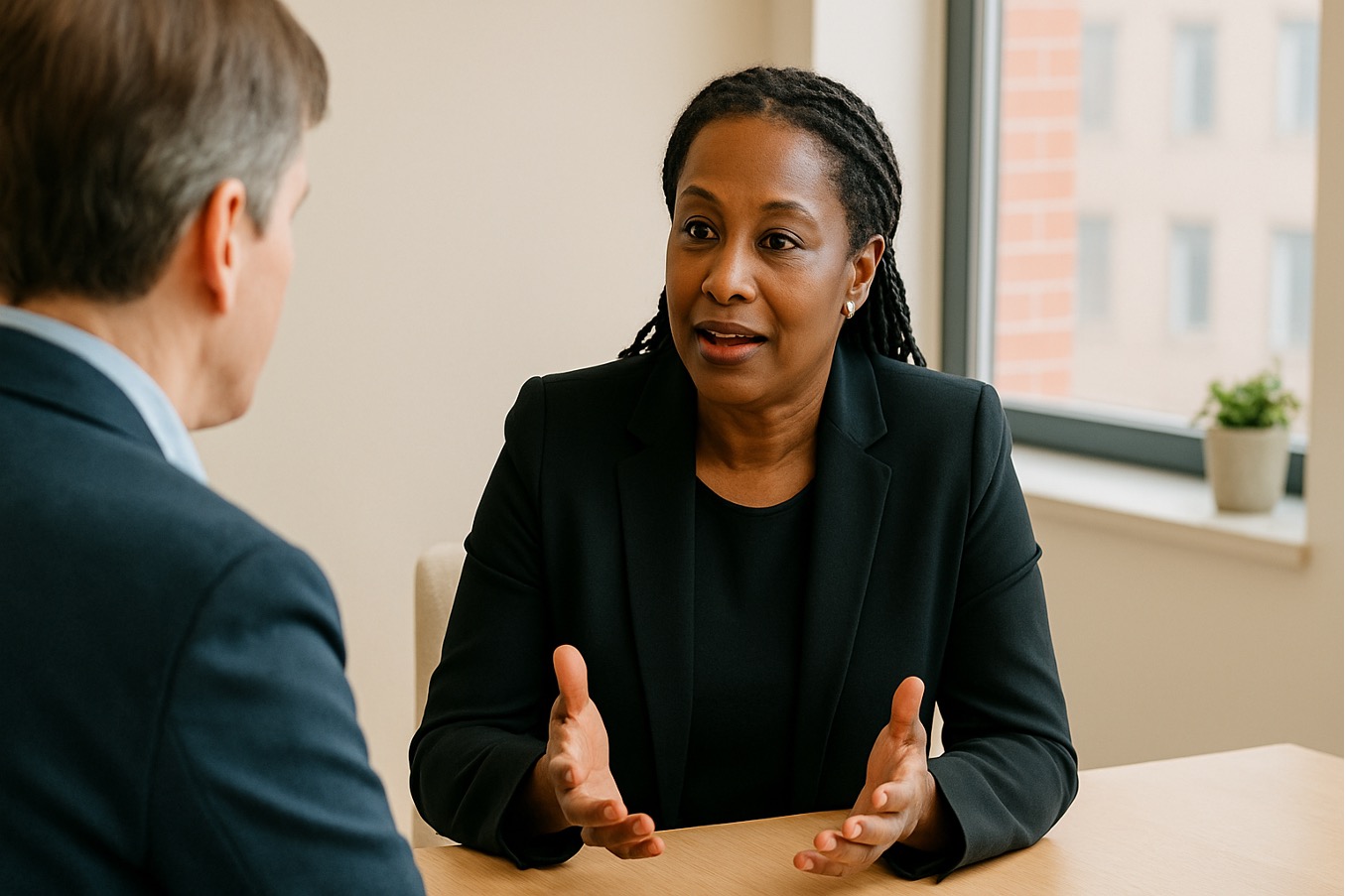
Many of my clients tell me they feel safe to open up during coaching — to share personal stories, questions, and career challenges they might not voice elsewhere. That sense of safety doesn’t happen by accident; it’s built through trust, quietly and consistently.
The International Coaching Federation recognises building trust and safety as core coaching competencies. Without them, genuine transformation is impossible. Clients must feel secure for coaches to ask the deeper, sometimes uncomfortable questions that lead to growth.
Each time a client allows me into their world, I feel grateful. In both coaching and leadership, trust is a gift and a responsibility — the foundation that allows honest exploration and change, as illustrated in the case study below.
Case Study: From Imposter Feelings to Inner Confidence
One client I worked with had been recruited to lead a division of a global company. His task: to deliver a transformation programme improving sales, profitability, and operational processes.
A year in, he came to me doubting his impact. Despite progress — and although nothing had been said formally — he felt his line manager questioned his effectiveness. His confidence slipped, and imposter syndrome took hold.
Together, we explored the real obstacles:
- What was holding change back?
- What did his manager truly expect?
- How could alignment improve within his leadership team?
Through reflection, he discovered that his self-doubt was less about competence and more about perception and communication gaps. Clarifying expectations, recognising his achievements, and reconnecting with his strengths helped him rebuild trust in himself.
Confidence, he learned, isn’t about having no fear — it’s about leading with authenticity and self-belief.
Trust: The Cornerstone of Life and Business
Trust is the invisible force that sustains every relationship — personal and professional alike.
We trust family and friends to stand beside us.
We trust brands to deliver quality and consistency.
And in organisations, boards trust leaders to steer direction, while teams trust managers to act fairly and support development.
When trust is strong and reciprocal, communication flows and people give their best. When it falters, engagement and performance quickly crumble.
In leadership, trust is not a “soft skill.” It’s structural — the state that determines whether people follow out of duty or genuine belief. Understanding what trust is, and how to develop it, is not just intuitive — it can also be a strategic superpower. I’ve found the Seven Trust Languages particularly helpful for that.
The Seven Trust Languages: A Framework for Modern Leadership
The idea of the Seven Trust Languages originates from the work of Marcus Buckingham and Ashley Goodall, and has been expanded by leadership and coaching practitioners worldwide.
It describes the different ways people experience and express trust. I’ve found it a powerful framework for helping leaders understand how they build — or sometimes unintentionally weaken — trust with others.
Each language is a different way of saying, “You can rely on me.”
- Consistency – Doing what you say you will do, even when it’s inconvenient. When a leader keeps promises, people relax; predictability builds safety.
- Transparency – Being open and honest. Teams don’t expect perfection, but they do expect honesty. When I was leading teams before coaching, I held weekly updates to share what I knew — and what I didn’t yet know. That honesty transformed engagement.
- Competence – Demonstrating skill and humility. Teams draw confidence from leaders who show mastery through calm assurance, not bravado.
- Compassion – Showing genuine care. Trust deepens when people feel seen beyond their roles. A kind word or thoughtful gesture often does more than a strategy slide. During my career, I’ve experienced the power of compassion time and again.
- Connection – Taking time to build rapport. Remembering life events, celebrating milestones, and showing curiosity remind people they matter.
- Character – Living your values even when no one’s watching. Integrity is revealed in everyday choices — how we treat others, especially under pressure.
- Commitment – Being fully invested in the organisation’s outcomes. When leaders show they are “all in,” teams rally behind them with renewed energy.
What I find powerful about this framework is that it helps leaders notice how they express trust — and how others recognise it. This invisible relational state is difficult to observe or measure. A leader might naturally lead through compassion or transparency, while their team values consistency or competence.
Learning to speak several of these languages fluently transforms how trust flows across an organisation — as I discovered throughout my own leadership experience.
Why Transparency, Compassion, and Connection Matter Most in Times of Change
Across my 30-plus years in leadership, I’ve learned — sometimes in the good way, sometimes in the hard way — that trust is the decisive factor in growing businesses, leading effectively, and delivering lasting change.
In my last position as a director within a large corporate organisation facing major public and internal trust challenges, I had to draw on every lesson I had learned about trust. To lead the transformation successfully, I needed to rebuild confidence — upward with my line manager, with my new team, across departments, and outward with clients.
Through that experience, I came to see three elements as essential to rebuilding and sustaining trust during challenging times: Transparency, Compassion, and Connection.
Transparency
In times of uncertainty, people look for honesty more than reassurance. I made it a priority to communicate openly — sharing not only progress, but also the difficulties and trade-offs we faced. Admitting what we didn’t yet know built credibility. Transparency created space for dialogue and prevented rumours from filling the silence.
Compassion
Change always has an emotional cost. I learned that leading with compassion doesn’t mean lowering standards — it means recognising the human side of transformation. Taking time to listen to colleagues under stress, or showing appreciation during demanding phases, strengthened engagement far more than any incentive plan could.
Connection
Connection is the bridge that carries trust forward. I invested time in strengthening relationships — not just within my team, but across divisions and with external partners. Simple actions, such as joint problem-solving sessions or informal conversations about shared goals, helped shift attitudes from “my department” to “our success.”
These three trust languages — transparency, compassion, and connection — became my anchors during change. They turned resistance into collaboration and uncertainty into shared ownership.
So how will you leverage trust in your own leadership practice?
Reflect: Building Trust in Your Own Leadership
Building trust begins with self-awareness. Here are five questions to help you reflect on your own trust-building style:
- When do I find it hardest to trust — and to be trusted?
- Where does my behaviour already create or reinforce trust — in myself or my team?
- Where might my actions unintentionally weaken trust?
- How open am I to feedback about how others experience my leadership?
- What one action could I take this week to strengthen trust in my relationships?
Try journalling your answers or discussing them with trusted peers. Reflection sparks clarity; conversation deepens connection. Together, they form the foundation of trust.
Final Thought: A Coaching Prompt for Leaders
What kind of leader do you want to be known as? How can you show trust, transparency, and compassion in your next 30 days?
Trust isn’t built overnight. It grows through consistent choices that reveal who you are and what you value.
If you’d like support in developing trust in yourself or within your team, I would be glad to explore that journey with you.
Share your views in the comments below.
✍️ Bruno Vinel – Executive Coach | Former CFO | Supporting leaders through major transitions in business and life